
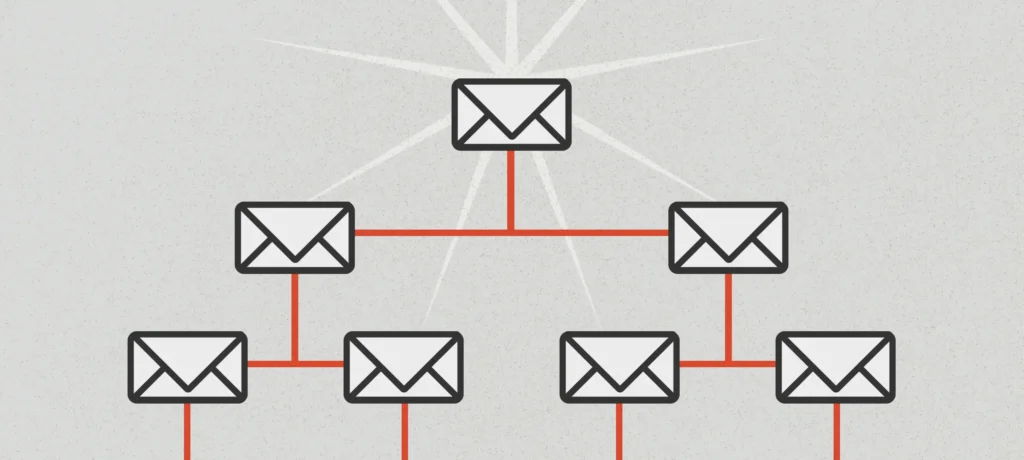
Email drip campaigns are common practice in today’s digital marketing landscape. When individuals submit a form, sign up for a new service or tool, download content, or take any other action on a site they can expect to receive emails from the company with more information and calling them to action. These are email drip campaigns.
Email drip campaigns are defined as a curated series of automated emails that is sent to a specific group of people who took a defined action on your website. Today, we’ll review why businesses should leverage email drip campaigns to nurture leads, retain customers, and increase conversions.
What is the Goal of Email Drip Campaigns?
The over-arching goal of all email drip marketing campaigns is to re-engage site visitors and bring them back into the marketing funnel as an active prospect or customer. Early stage email drip campaigns may provide more details about the company or remind you about products that you left behind. Later stage email drip campaigns may provide product differentiators, downloadable content, and offers to bring you back. Individual emails may have varying calls-to-action depending on the email topic, but they all focus around the goal of re-engagement to build stronger relationships with their target market with curated messaging.
What Triggers Email Drip Campaigns?
In order for an automated series of pre-written emails to be sent, we need a trigger for the automation. Triggers can be many different things depending on the type of business, the marketing strategy, or what phase of the buyers journey the user is at. Common triggers include submitting a sign-up or contact us form, downloading content such as ebooks or whitepapers, abandoning a cart or checkout experience, being inactive or not making a purchase in a set timeframe, or entering into a certain phase of the businesses buyers journey.

Key Components of a Successful Drip Campaign
The five most important components of every successful email drip campaign are:
- Clear Goals: Define what you aim to achieve (e.g., onboarding, retention, upselling).
- Audience Segmentation: Importance of understanding your audience for personalization.
- Compelling Content: Writing emails that offer value and encourage action.
- Timing and Frequency: Avoiding too many or too few emails.
- Call-to-Actions (CTAs): Guiding recipients toward the desired outcome.

Common Types of Email Drip Campaigns
- Welcome Series: Provides the first impressions for new subscribers. Many times these flows provide more details about the company. It reviews their history as a business, what you can expect from them, and what makes them different from competition, among other things.
- Onboarding Campaigns: This type of drip campaign helps users get the most from a product or service. It provides tutorial or guides to get started and information to easily access help desks/support.
- Abandoned Cart Emails: Encourages potential buyers to complete their purchase if they’ve left the website without purchasing. This series of emails typically start with gentle reminders to return to complete their purchase and often provide an offer as a incentive to return to their cart towards the end of the email drip.
- Re-engagement Campaigns: Also commonly called ‘Win-Back’ email campaigns. This type of campaign is focused around reviving interest among inactive users that were once active. A successful re-engagement campaign leverages data that you have on the user to create a compelling and engaging message. Looking at past purchase history, browsing history demographics can help inform the messaging to successfully win-back your audience. By highlighting their interests or needs in your messaging you can remind them why they engaged with you to begin with.
- Upsell/Cross-sell Campaigns: After a purchase is made, an email flow that promotes complementary products or services is a great way to re-engage and grow your sales. This type of email drip campaign triggers after a purchase and provides details on other products of yours that they may like or find useful based on their purchase.
Building an Effective Drip Campaign
Now that we have a clear understanding of what an email drip campaign is, let’s review the steps to creating one.

- Map the Customer Journey
The first step to creating a successful email drip campaign is understanding the path your audience takes from lead to conversion. What areas do they need extra support or information, where are visitors getting stuck in the process, and where can you step in to help them along? From there, you can determine where to place email drip campaigns along their journey. - Create Engaging Email Content
Once you’ve identified where email drip campaigns are necessary along your buyers journey you can start curating content. Start by mapping the topics of each email in the email drip, then be sure to write attention-grabbing subject lines, concise body text, and clear CTAs. Don’t forget to segment your content based on browsing history, purchase history and demographics to make the content more engaging and relevant — many email marketing tools have fantastic segmentation abilities built in making this process very easy. - Set Up Triggers and Timing
Decide when each flow should be triggered by connecting the trigger to user behavior-based actions or timed intervals to automate delivery. After the initial trigger space your emails out with delays so recipients aren’t being bombarded with emails. Timing and cadence is a great a/b test to run after initial setup. - Use Analytics to Optimize
Track open rates, click-through rates, and conversions to refine your strategy. Common tests include timing, content, calls-to-actions, and subject lines. Consistent testing and optimizations on your campaigns will help them provide more value to your business.

Utilize Email Drip Campaigns Re-Engage Your Audience
Businesses that deploy email drip marketing campaign strategies to re-engage existing contacts are saving themselves time and money on engaging with new prospects. By leveraging the contacts that you’ve already made contact with and nurturing them to the point of purchase, or re-purchase, you’re not only saving marketing dollars but increasing the lifetime value of your customers. Start small with your email drip campaigns and grow them over time — even deploying simple campaigns can make a difference in your buyers journey.